Research: Bilingual Education for deaf children
Comparing teachers' views in Scotland and South Africa
Comparing teachers' views in Scotland and South Africa
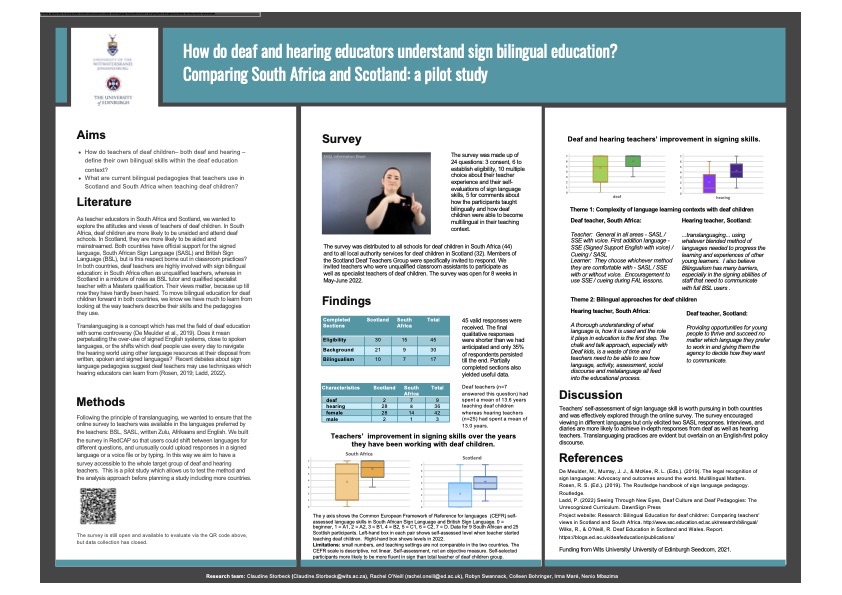
Bilingual Education is often proposed as best practice in Deaf Education internationally, combining the country's signed language and spoken and/or written language. Despite this conceptual clarity and agreement, a shared understanding of pedagogical implementation remains elusive, evidenced in the continued lag in deaf children’s educational outcomes world-wide. In this project we begin to explore teachers’ beliefs, perceptions and pedagogical experiences of Bilingual Deaf Education, with a pilot project in South Africa and Scotland aiming to explore both concept and practice in order to set a foundation in place for potential future projects working in other African countries and in Scotland.
As two multilingual countries, South Africa and Scotland have a vested interest in ensuring our deaf learners grow up multilingual, so the focus on bilingualism is of particular interest to our two Departments.
How do teachers of deaf children - both deaf and hearing – define Bilingual Education within the deaf education context?
What are the current bilingual pedagogies that teachers of the deaf - both hearing and deaf - use in Scotland and South Africa when teaching deaf children?
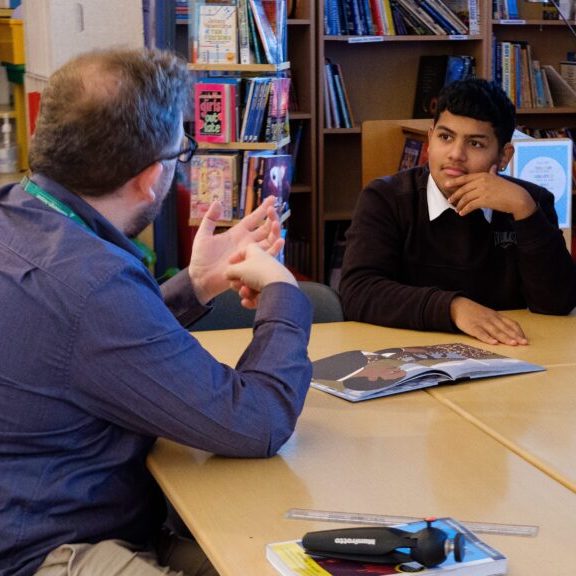
We are creating a survey available in English, British Sign Language, South African Sign Language, written Zulu and written Afrikaans. The survey is aimed at teachers of deaf children working in South Africa and Scotland who use a bilingual approach to some extent or a lot.
We are not only asking qualified teachers of deaf children to respond, because in both countries there are many deaf people working in educational roles with deaf children and we are keen to gather their views too. In Scotland there is also a group of deaf teachers of deaf children who are qualified teachers of deaf children or in training. For this reason, we have designed the survey so that it can be answered in any of the survey languages relevant to each country. Teachers can upload clips of themselves signing responses, or can write in their preferred language. They can also choose to change languages for different questions.
We estimate that the survey will take about half an hour to complete. It is only open to teachers in Scotland and South Africa. The survey will close on 30th June 2022.
Complete the Survey
Professor Claudine Storbeck started the Centre for Deaf Studies (CFDS) at the University of the Witwatersrand 25 years ago, and developed the first teacher training programme for teachers of the deaf in South Africa. A key strength of the CFDS is the Bilingual Bicultural team of deaf and hearing academics.

Rachel O’Neill worked in deaf education in sign bilingual settings for 25 years, and now trains Teachers of the Deaf at the University of Edinburgh. Rachel co-edits the peer- reviewed Taylor and Francis journal Deafness & Education International.
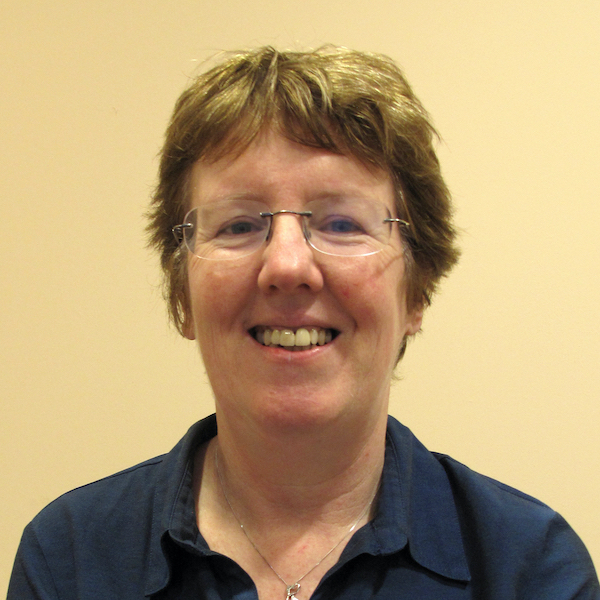
Robyn Swannack The University of Witwatersrand Centre for Deaf Studies, Deaf PhD student. Robyn is a Research Assistant on the project and has also translated the survey into South African Sign Language.
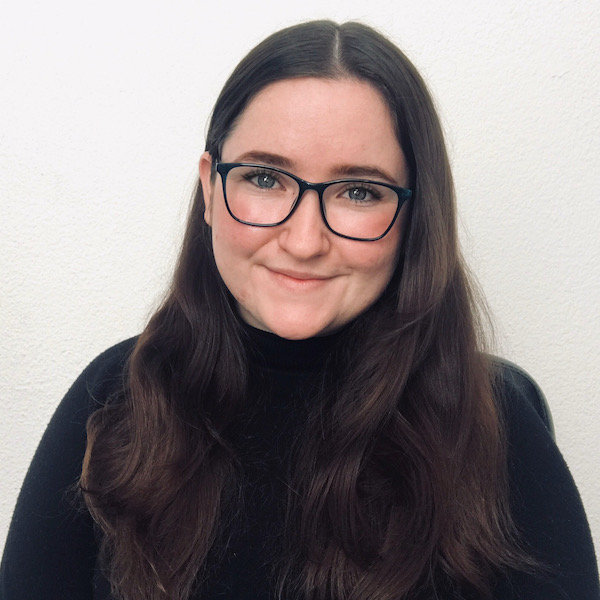
Colleen Bohringer recent Masters graduate from the The University of Witwatersrand Centre for Deaf Studies. Colleen has produced a literature review on bilingual education and teacher views.

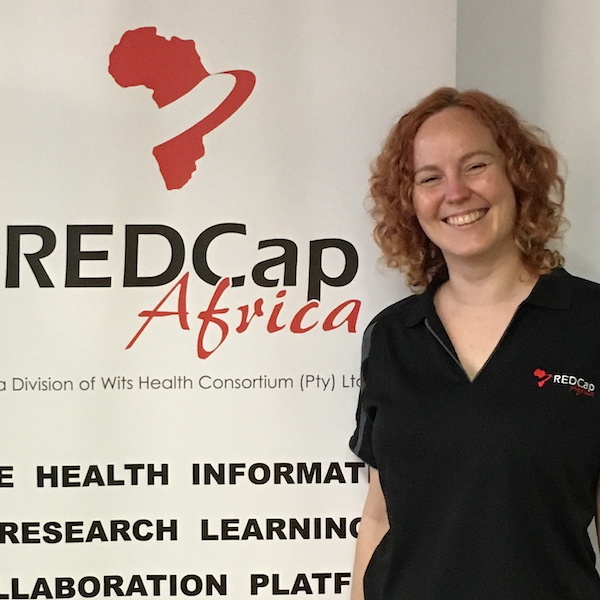
Irma Maré REDCap manager at the University of Witwatersrand. She has built the multilingual survey for the project.
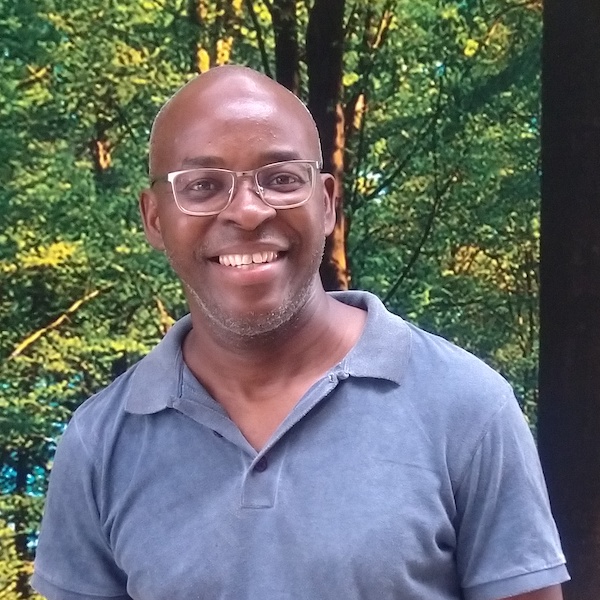
Nenio Mbazima Video producer at the Centre for Deaf Studies (CFDS). He is the author of two books, Strong Wind which won three literature awards and Sesame's Adventure, a children’s book.
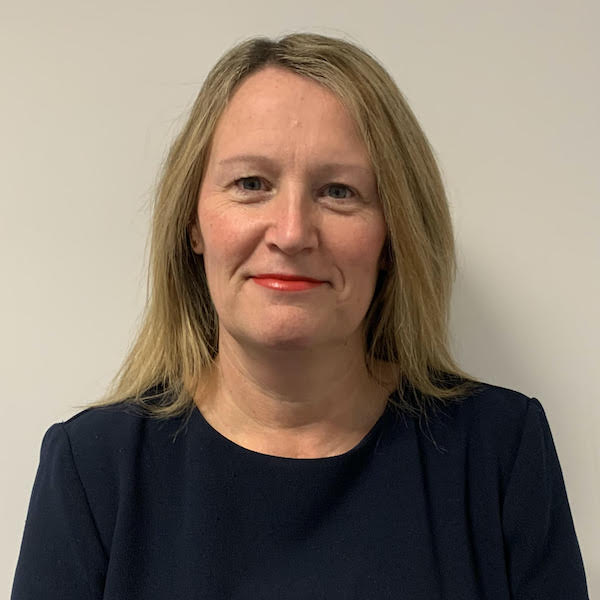
Lesley McGilp Deaf registered British Sign Language translator has translated the survey into British Sign Language.
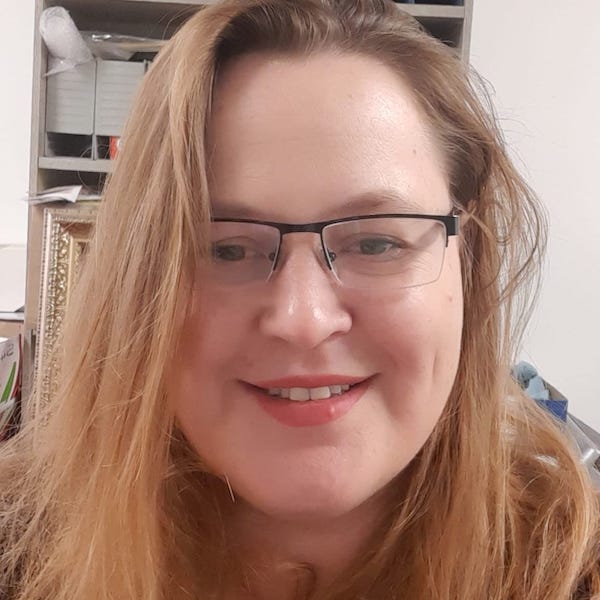
Olwethu Magama Zulu translator for our project. In addition to being a translator she also works as a community interventionist.
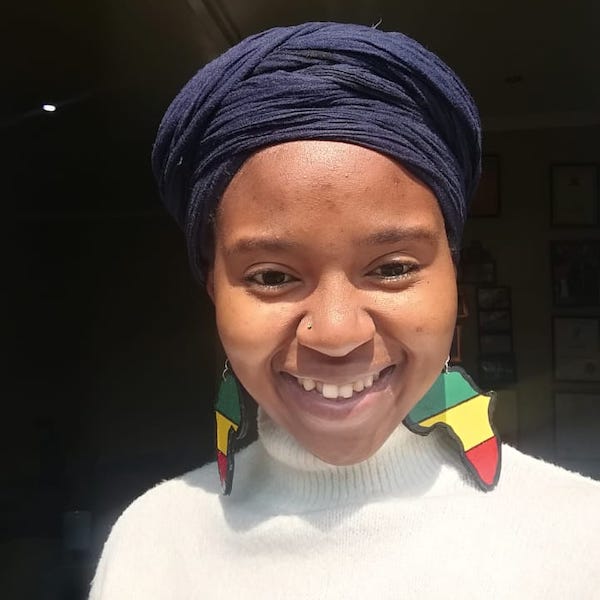
Annette Sonntag Translator from English into Afrikaans. She also works for the Centre for Deaf Studies at Witwatersrand University.
We will post updates in BSL, English and SASL on this website as we produce findings. We also plan to write an article about the findings. We hope that the results will be useful to the profession in both countries. Further collaboration could follow in relation to teacher education in both countries.
Teachers of deaf children in all parts of the UK currently only need to have level 1 Signature BSL which is approximately equivalent to A2 on the Common European Framework of Reference (CEFR) scale (See Leeson et al., 2016 for descriptors of these levels in relation to signed languages). Using the survey conducted in 2022, we found that of 21 hearing teachers of deaf children based in Scotland, their mean level of BSL on starting as a teacher of deaf children was A2 or at beginner level on the CEFR framework; their mean level at the time of the survey was B2, which is approximately equivalent to Level 3 Signature, showing an independent but not yet proficient use of BSL. They had a mean of 14 years of experience teaching deaf children. Two deaf ToDs based in Scotland replied to the same survey; they started with a mean of C2, or proficient use, and ended above the CEFR scale as an advanced user over their mean of 12 years teaching deaf children. We don’t know from this survey how quickly the ToDs attained their 2022 level of BSL. The minimum level of BSL needed by ToDs may rise across the UK soon as legislation about BSL recognition starts to affect the deaf education system.
The South African teachers of deaf had a wider variety of backgrounds than the Scottish teachers: 5 of the 9 were deaf and they were not all qualified school teachers. The hearing teachers started with a mean of B1 (low independent level) and had a mean of 6 years teaching deaf children up to 2022, when their mean level of SASL was C2, proficient. The deaf teachers had the same mean length of teaching experience with deaf children, 6 years; they started at a mean of SASL B2 to a mean of high C2, very proficient, at the time of the survey.
In both countries the participants chose to do this survey about bilingualism, so may not have been typical of all teachers of deaf children in these countries. The higher levels of SASL in South Africa compared to BSL in Scotland is probably due to the increased exposure to fluent sign language in South African schools for deaf children. ToDs in Scotland more usually work peripatetically between schools and use spoken language with deaf pupils most of the time. They may not have any contact weekly with a deaf fluent BSL colleague.
Leeson, L., van den Bogaerde, B., Rathmann, C. and Haug, T. (2016). Sign Languages and the Common European Framework of Reference for Languages: Common reference level descriptors. Council of Europe. Common-Reference-Level-Descriptors-EN.pdf
For questions, please contact the research team in whichever language you prefer or arrange a Zoom call.

Opt out of Google Analytics cookies · Add/Update/Remove Your Contact Details · Privacy
© 2025 Scottish Sensory Centre, Edinburgh